

Services For Any Need
We proudly handle any and all environmental management needs, from waste disposal and recycling, to environmental remediation and tank cleanings.
Cactus Environmental works with clients in all industries including oil and gas, large industrial manufacturers and government agencies. Our technical field personnel are OSHA HAZWOPER-trained and are available to assist on projects of any size and scope. Customers can count on Cactus for jobs to be completed in a timely and cost effective manner.
-
Waste Management
-
Waste Transportation

-
Environmental Remediation

-
Tank, Vessel, and Line Cleaning

-
Emergency Response

-
Vacuum Services

Locations Served
Headquartered in Dallas, Texas, we regularly provide service for all of Texas, Oklahoma, Louisiana, and Arkansas. Our crews respond to spills and perform jobs all over the United States.
Cactus Environmental News
We wish to keep you informed and provide you with important information that you may need to know about the Environmental Industry and report our most recent successes.
Below is a recent example from one of many successful jobs. Hover over the photo and slide the pictures to see before and after photos.
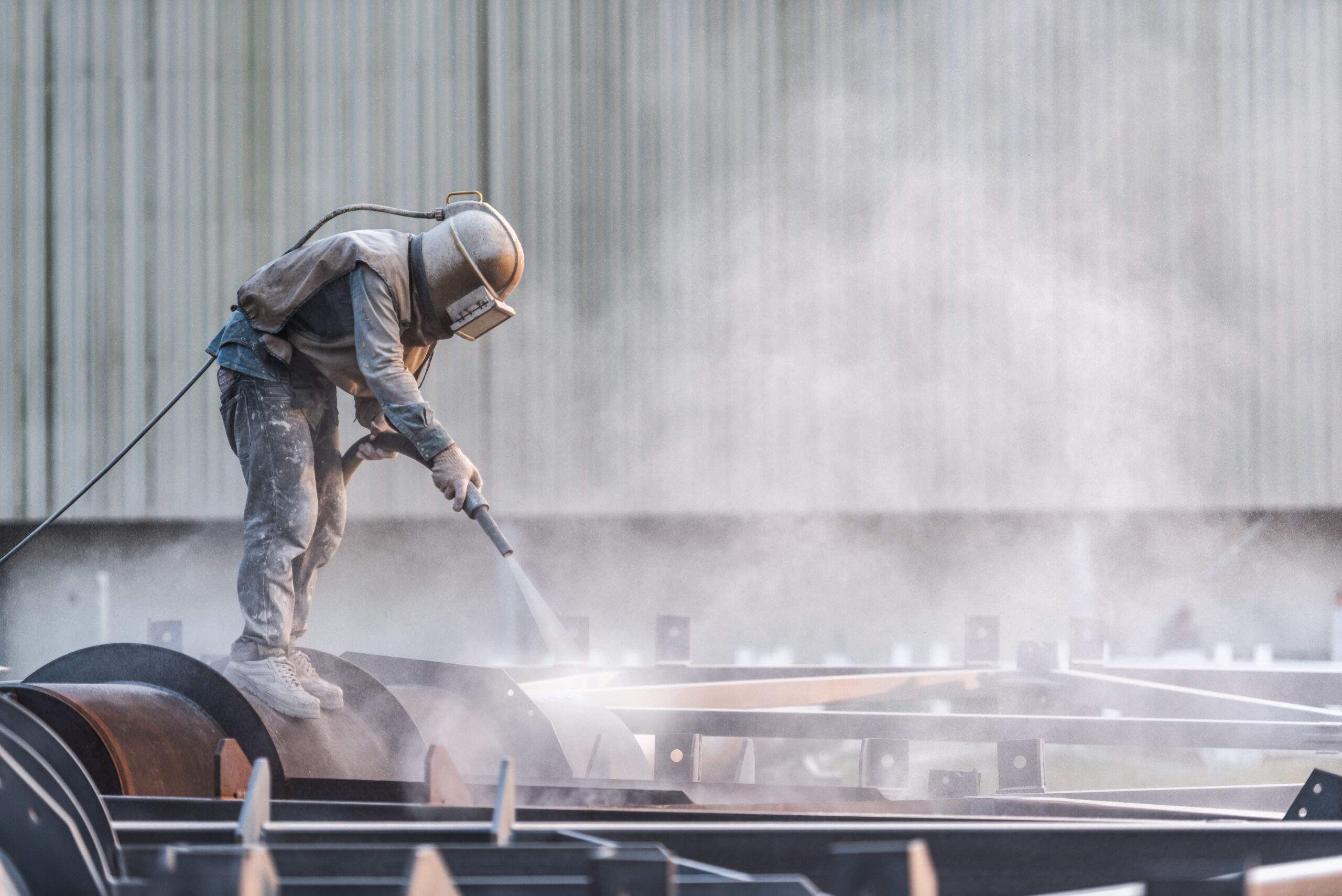
- Industrial cleaning services involve heavy-duty sanitation, waste removal, and equipment maintenance to keep plants operating safely.
- Professional cleaning prevents hazardous buildup, reduces machinery failure, and ensures strict regulatory compliance.
- Expert techniques such as hydroblasting and industrial vacuum services eliminate stubborn deposits efficiently.
What Is Industrial Cleaning and What Does It Entail?
Industrial cleaning goes far beyond routine commercial maintenance by using specialized machinery, ultra-high-pressure water equipment, and certified hazmat technicians to sanitize and restore heavy industrial facilities. Unlike standard commercial janitorial care, industrial environments deal with toxic chemicals, heavy sludges, sticky resins, and hazardous materials. Regular high-pressure washing and chemical flushing helps extend heavy machinery operating lifespans while significantly reducing the risk of unexpected mechanical failures. Our professional industrial cleaning services utilize specialized equipment tailored for complex plant environments. Core solutions include:- Tank, Vessel, and Line Cleaning: Removing stubborn chemical sludges and sediment deposits from inside storage tanks and piping networks while utilizing trained confined space entry protocols.
- Hydroblasting Services: Employing high-pressure water blasting up to 40,000 PSI to strip rust, oxidization, scale, and persistent residue from boilers and reactors without damaging underlying structures.
- Industrial Vacuum Services: Utilizing heavy-duty vacuum trailers and HEPA units capable of moving dense hazardous or non-hazardous materials across distances greater than 1,000 feet.
- Confined Space Rescue and Entry: Providing safety standby, air monitoring, and entry protocols during complex tank cleaning, inspection, and maintenance operations.
Why Your Facility Needs Professional Industrial Cleaning
Professional industrial cleaning is necessary to ensure strict regulatory compliance, protect facility workforce health, and prevent costly operational shutdowns. Manufacturing plants, power generation sites, and chemical facilities in DFW face rigorous oversight from regulatory bodies like OSHA, EPA, and state environmental commissions. Allowing hazardous residues or flammable dusts to accumulate creates severe safety risks, potential fire hazards, and expensive regulatory fines. When residues build up in pipes or tanks, friction increases and heat distribution becomes uneven, leading to equipment failure. Deep cleaning removes these operational barriers, restoring optimal thermal and mechanical performance. Furthermore, our project managers bring over 40 years of hazardous waste experience. With 100 percent of our field personnel trained in OSHA HAZWOPER standards, we guarantee that all collected materials are analyzed, transported, and disposed of in full legal compliance.Key Benefits of Partnering with Experienced Specialists
Partnering with certified environmental specialists provides tailored cleaning protocols, 24/7 emergency response readiness, and long-term cost protection for your facility. Managing complex industrial waste requires specialized heavy machinery, certified safety supervisors, and environmental expertise. Routine maintenance prevents catastrophic equipment breakdowns before they occur, preserving your capital investment and keeping your facility running smoothly. Whether you require scheduled tank cleaning, high-pressure line hydro jetting, or emergency spill response, experienced crews protect your facility’s bottom line. Contact our team today to get a quote for your facility maintenance needsImage credit: // Shutterstock // N_Sakarin